Essential aftercare guide

Healing your body piercing is very subjective and unique to your specific anatomy, biology, and immune response. Taking your healing routine seriously while remaining patient and gentle with your body ensures your new piercing heals beautifully and safely.
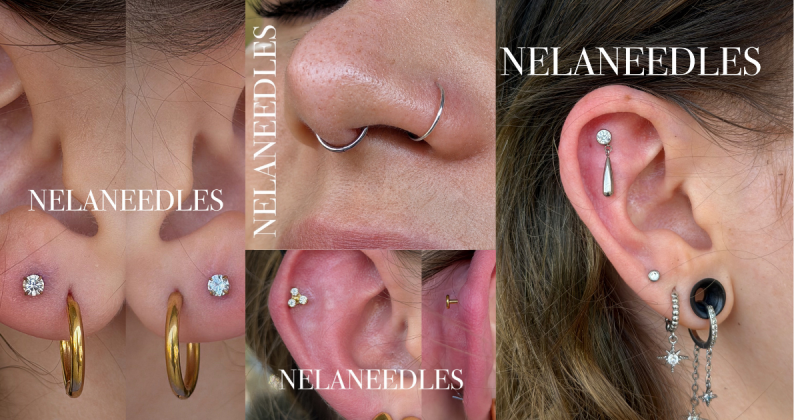
Frequently asked questions

Proper aftercare makes all the difference in maintaining healthy piercings. Explore our key guidelines, recommended products, and answers to the most common questions regarding healing, hygiene, and when to get in touch with June Moss in Clayton, North Carolina.

What are the three golden rules of piercing aftercare?

First, cleanse using a sterile saline wound wash 3 to 4 times per day—this is the sweet spot to avoid both under-cleaning and excess moisture. Second, never touch or twist your jewelry, besides the average "piercers" advice who use guns instead of needles, hands introduce bacteria and spinning or touching the jewelry can cause irritation, bumps, or scarring. Third, be patient with your body's healing timeline and communicate openly with your trusted piercer.

Which aftercare sprays and ingredients are safe to use?

We recommend NeilMed Piercing Aftercare Spray, Recover Saline Spray, or generic drugstore saline wound wash. Always inspect the label: the only ingredients should be USP grade water and sodium chloride (0.9%). Avoid products with extra additives, alcohol, or harsh preservatives, as they trigger irritation and allergic reactions.
DO NOT MIX YOUR OWN SALINE SOLUTION. DILUTION MAY BE INCORRECT & CAN CAUSE UNECESSARY IRRITATIONS. :)

What are normal signs of healing during the first weeks?

Mild swelling, tenderness, light redness, and clear or pale yellowish crusting are expected parts of the natural healing response. As your body adjusts and forms a healthy fistula, these symptoms should gradually taper off and improve over time.

What household products should I strictly avoid?

Never use rubbing alcohol, hydrogen peroxide, antibacterial soaps, tea tree oil, ointments, or homemade salt mixtures. These harsh chemicals strip away developing skin cells, dry out delicate tissue, and significantly delay your healing process.

How can I tell if my piercing is infected?

Infection symptoms usually intensify rather than improve. Watch for spreading redness, worsening heat and throbbing pain, significant swelling, thick green or foul-smelling discharge, red streaks radiating from the site, or systemic symptoms like fever and chills.

When should I contact my piercer for a check-in?

Reach out to your piercer if you notice persistent irritation, questions about downsizing, jewelry fit issues, or minor irritation bumps. We can evaluate your routine, adjust your jewelry length, and guide your daily care regimen.

When is it necessary to seek medical attention from a doctor?

Seek urgent medical care if you observe severe or spreading redness, intense heat, fever, red streaks, or heavy purulent discharge. While your piercer can advise on general aftercare, only medical professionals can diagnose and prescribe treatment for bacterial infections.

Should I take my jewelry out if I suspect an infection?

No, do not remove the jewelry on your own. Taking out the jewelry can cause the outer skin hole to close, trapping the infection inside the tissue and potentially causing an abscess. Keep the jewelry in place and consult a healthcare professional immediately.

⚠️ The “Scarier” Questions

Don’t panic haha, these questions aren’t here to scare you! They’re here because knowing what can go wrong is just as important as knowing what normal healing looks like.

Some complications can be prevented or caught early when you know what to look for. Take a few minutes to read through these questions so you know when something needs extra attention and when to reach out for help.

⚠️ Can a piercing embed because the bar is too short?

Yes. Jewelry that is too short can put constant pressure on the piercing, especially while there is still swelling. This can cause the skin to grow over or “swallow” the jewelry, known as embedding.

For an initial piercing, the bar should have a little extra room to accommodate normal swelling. Once the initial swelling has gone down, the jewelry should be professionally shortened—typically within the first 2–3 weeks, depending on the piercing and how it is healing. Leaving overly long jewelry in for too long can also cause irritation and snagging.

If you notice the jewelry becoming tight, sinking into the skin, or the skin beginning to grow over it, contact your piercer for further answers or instructions.

⚠️ Can a piercing reject?

Yes. Rejection happens when the body gradually pushes the jewelry toward the surface and attempts to remove it. This can sometimes be related to the type, size, or material of the jewelry, but placement, anatomy, pressure, irritation, and trauma can also contribute.

Choosing appropriate, high-quality jewelry and having the piercing placed correctly can help reduce the risk, but rejection cannot always be prevented.

If you notice the jewelry becoming increasingly visible, the skin between the openings becoming thinner, or the piercing noticeably changing position, contact your piercer for further answers or instructions.

⚠️ Can a piercing migrate just from sleeping on it?

Yes. Consistent pressure can contribute to migration. Sleeping directly on a piercing can push the jewelry into an improper position, especially if the jewelry is being held at an angle for hours at a time. Over time, this pressure and movement can cause the piercing channel or openings to shift from their original placement. Airplane pillows or Piercing pillows can be used to help the piercing area not rub or sit on your pillow causing irritation.

This is one reason avoiding pressure on a healing piercing is so important. Pillows, headphones, helmets, clothing, and other sources of repeated pressure can also affect healing.

If you notice your jewelry sitting differently, changing angles, or the piercing appearing to move from its original placement, contact your piercer for further answers or instructions.

⚠️ What happens if I ignore a piercing that is starting to embed?

An embedding piercing can become increasingly uncomfortable as swelling and pressure trap the jewelry beneath the skin. Do not try to force the jewelry out or push it through the skin yourself. Depending on the situation, professional or medical intervention may be necessary.

If your jewelry appears to be sinking into the skin or becoming difficult to see, contact your piercer for further answers or instructions.

⚠️ Can improper placement cause problems later?

Yes. Piercing placement matters. Jewelry needs to sit through the appropriate tissue and at the correct angle for the anatomy. Poor placement can contribute to prolonged irritation, migration, rejection, or an undesirable healed result.

A professional anatomy assessment before piercing is important because not every piercing is suitable for every anatomy.

If you are concerned about the placement or angle of a piercing, contact your piercer for further answers or instructions.

Ready for your next piercing?

Follow the PORTER booking link below to see my schedule and get your new shiny addition.

Address

Google Search
Anchors Aweigh Tattoo Co. Garner, NC
Call Anytime

Contact

nelaneedlespiercing@gmail.com
for further inquiries

Opening Hours

Tues-Sat: 12-6
Booking available,
Walk-ins Always Welcome

Sunday& Monday: Closed